How the Canadian Tax System Works
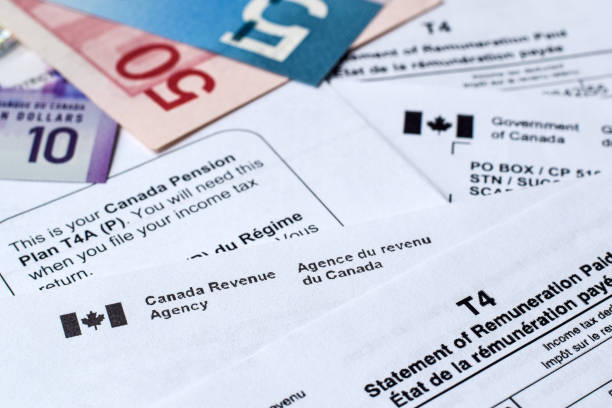
Canada has a progressive tax system, meaning the more you earn, the higher tax rate you pay. Taxes are collected by the Canada Revenue Agency (CRA) and include federal and provincial portions.
You usually pay taxes through:
Payroll deductions (if employed)
Annual tax return (T1)
Federal vs Provincial Taxes
You always pay federal tax, plus provincial tax based on where you live.
Income Tax Overview (Example)
| Level | Who Collects | Notes |
|---|---|---|
| Federal | CRA | Same across Canada |
| Provincial | Province | Rates differ by province |
Federal Income Tax Brackets (2025)
| Income (CAD) | Rate |
|---|---|
| Up to $55,867 | 15% |
| $55,868 – $111,733 | 20,5% |
| $111,734 – $173,205 | 26% |
| $173,206 – $246,752 | 29% |
| Over $246,752 | 33% |
You do not pay one flat rate — each portion is taxed separately.
GST, HST, PST – What’s the Difference?
| Tax | Description | Provinces |
|---|---|---|
| GST | Federal sales tax (5%) | All |
| HST | Combined GST + PST | ON, NS, NB, NL, PEI |
| PST | Provincial sales tax | BC, SK, MB |
Do Newcomers Pay Taxes in Canada?
Yes. If you:
- Work in Canada
- Are a tax resident
- Receive Canadian income
You must file a tax return, even if income is low.
How to File a Tax Return (Step-by-Step)
- Get a SIN
- Collect tax slips (T4, T5)
- File online (NETFILE) or via accountant
- Deadline: April 30
Tax Benefits & Credits
- GST/HST Credit
- Canada Child Benefit (CCB)
- Climate Action Incentive (some provinces)
Common Tax Mistakes Newcomers Make
- Not filing a return (even with $0 income)
- Ignoring provincial differences
- Missing benefits
Add comment
Comments